Autism Grants 


Finding real help these days feel like trying to win a game of “spot the scam!” 😩 Every time you scroll, somebody’s promising $10,000 just for liking and sharing a post—yeah okay 😂

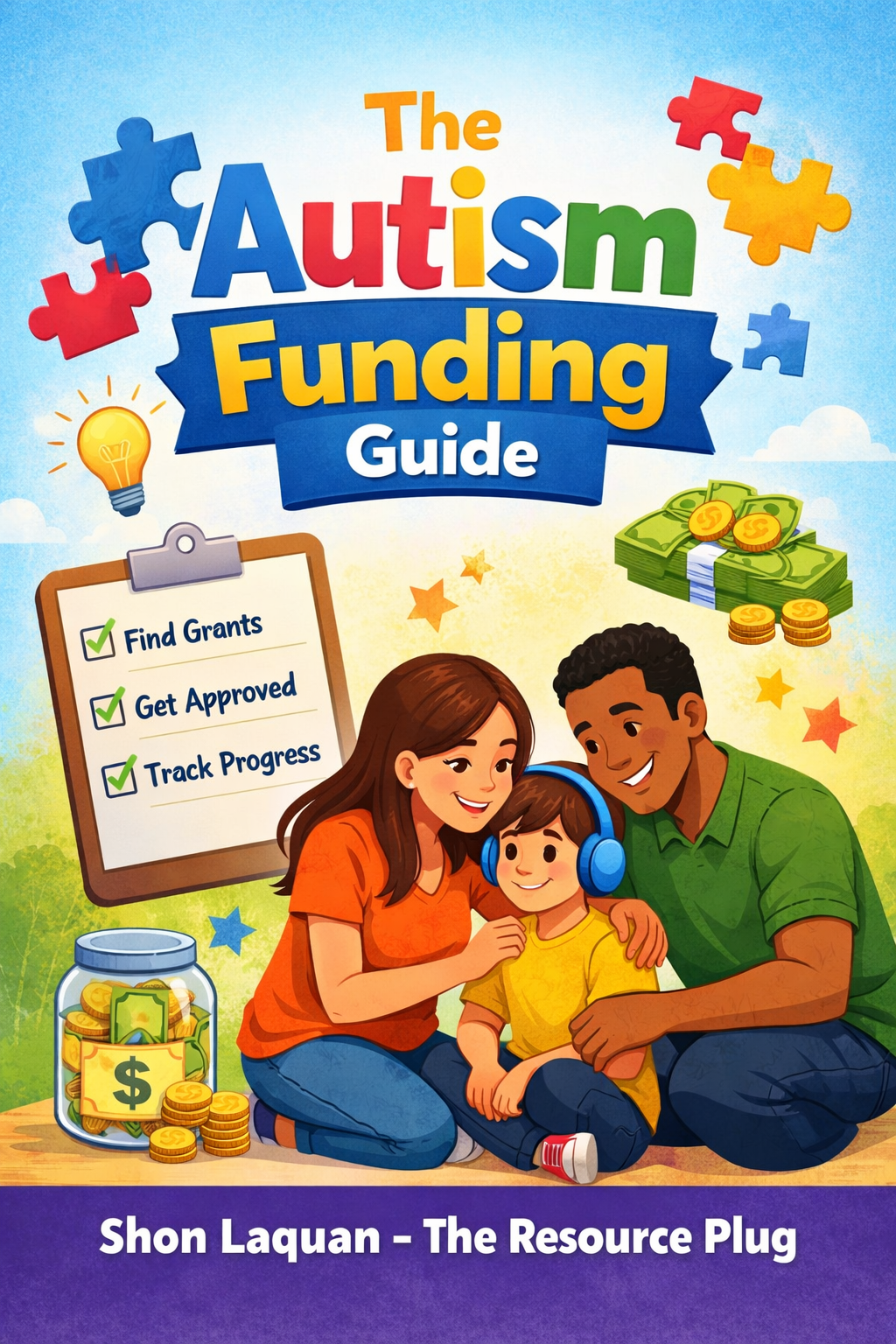
That’s why I went ahead and did the digging for you! I put together a verified Autism & Disability Grants Resource Guide with legit programs that actually help families with therapy costs, support services, and more. No gimmicks, no “tag 5 friends to qualify” nonsense!

💙 Whether you’re a parent, caregiver, or just trying to help someone out, this list got you covered with real links and real help.

👉🏾 Click the link below to download your copy and peep all the verified grants in one place!


Latest Blog Post

Best Tablets & Phones for Vision Accessibility: Apple vs. Android

By Shon Laquan

Why Accessibility Matters

Smartphones and tablets are powerful assistive tools for individuals with vision impairment. Features like screen readers, magnifiers, braille support, and high-contrast display modes allow users to interact with the world seamlessly. When these features are built into both hardware and software, they offer a consistent, dependable experience—unlike standalone apps that may vary in quality. Devices that prioritize accessibility empower users to communicate, navigate, and live independently with confidence.

Apple: iPhone & iPad — What You Get

Apple’s accessibility for vision impairment is widely regarded as best-in-class:
• VoiceOver (Screen Reader)
A gesture-based, full-featured screen reader with customizable voices and seamless braille display integration.
→ Learn more about VoiceOver
• Magnifier App
Transforms the camera into a high-contrast magnifying glass with a freeze-frame function and built-in filters.
→ Explore the Magnifier tool
• Zoom
A system-wide magnification tool that enlarges screen content while keeping the focus intuitive.
→ Using Zoom on iOS
• Display Accessibility Options
Adjust text size and weight, increase contrast, disable transparency, and apply color filters for better visibility.
→ Detail on Display accommodations
• Voice Control & Siri
Full voice-command control and dictation capabilities, enabling hands-free operation of your device.
→ More on Voice Control
• Braille Support
Native support for a wide variety of Bluetooth braille displays, with continuous enhancements.
→ Apple Accessibility Features overview
• Live Text & Visual Lookup Tools
AI-powered tools to identify and read text from images and photos, helping users interpret visual content.
→ Apple’s latest accessibility updates

Why many users choose Apple: VoiceOver tends to work uniformly across apps and devices, with fewer inconsistencies and seamless integration that makes day-to-day tasks smoother. Many accessibility enthusiasts and user communities like AppleVis highlight Apple’s consistent user experience.

Android: Phones & Tablets — What You Get

Android’s accessibility suite offers flexibility, customization, and strong vendor-led tools:
• TalkBack (Screen Reader)
Part of the Android Accessibility Suite, TalkBack offers gesture navigation, spoken feedback, and braille support (depending on device compatibility).
→ Get to know TalkBack
• Accessibility Menu
A floating, large-button interface offering quick access to Back, Home, Notifications, and volume controls.
→ Learn about the Accessibility Menu
• Select to Speak
Tap on-screen text to have it read aloud without enabling full-screen reader mode. Great for quick text access.
→ Select to Speak Details
• Magnification & High Visibility Settings
System-wide magnification gestures, large text, high-contrast themes, and—for some vendors—keyboard and font visibility enhancements (e.g., Samsung’s One UI).
→ Samsung Vision Enhancements
• Voice Access & Google Assistant
Voice-first control of your device, enhanced with AI-powered image descriptions and more.
→ New Google accessibility features
• Third-Party Accessibility Apps
The open ecosystem means you can add OCR tools, object recognition apps, alternate keyboards, and more from external developers.

Why people choose Android: There’s a broader range of devices at different price points, and manufacturers like Samsung layer on additional accessibility options. Google continues merging AI capabilities with TalkBack to offer richer, context-aware descriptions.

Feature Comparison at a Glance

Feature Apple (iPhone/iPad) Android (Phone/Tablet)
Screen Reader VoiceOver — reliable, consistent TalkBack — powerful but varies by device
Magnifier Magnifier app — integrated, intuitive System magnification; Samsung adds presets
Braille Support Broad support; highly praised Supported; quality varies by device
AI Visual Tools Live Text, visual lookup features AI-powered descriptions in TalkBack
Update Consistency Uniform OS updates, reliable features Depends on manufacturer/carrier
Customization & Flexibility Less choice—just iPhone/iPad models Wide range of devices and budgets
Vendor-Specific Enhancements Native accessibility across models Samsung, others add specialized tools

Recommended Devices
• For a consistent, polished experience → Choose an iPhone (any recent model, including SE) or iPad for their intuitive VoiceOver + Magnifier + Braille support.
• For more options or affordability → Consider a modern Android device—especially Samsung Galaxy phones or tablets. They offer flexible pricing and robust vision-oriented features.

Official Resources & Community Guides
• Apple Accessibility Features (Vision)
• Apple iPad Vision Accessibility Overview
• Android Accessibility Suite & TalkBack (Google Support)
• Samsung Vision Enhancements (One UI)
• RNIB Guide to Accessible Phones & Tablets
• AppleVis Community

Tips for Choosing & Setting Up
1. Try out accessibility features in-store or via demos to feel how voice feedback, magnification, and gestures operate.
2. Enable accessibility during setup to start your device with screen reader or magnifier activated.
3. Go for larger screens (Plus/Max phones or tablets) for easier visibility and navigation.
4. Check compatibility with your braille display before purchasing.
5. Install updates promptly—accessibility tools improve with each OS update. Apple’s ecosystem makes this simpler than Android’s fragmented rollout.

Final Thoughts

Both Apple and Android offer strong accessibility for users with vision loss. If you want a dependable, cohesive experience across apps and devices, Apple is often the go-to recommendation. If you prefer device variety, budget options, and customization, Android—especially Samsung devices—is a compelling choice.

The “best” device really depends on your needs, preferences, and how you use assistive features like screen reading, braille, or magnification.

If you enjoy this content, please take the time out to check out more informative information by clicking the

Button below.
Screen Readers For The Visually impaired 

Screen Readers for the Visually Impaired: Types & Where to Get Them

For individuals who are blind or visually impaired, technology opens up the world in powerful ways. One of the most important tools is the screen reader—software that turns on-screen text and interface elements into speech or Braille. Whether on a computer, smartphone, or web browser, screen readers make it possible to navigate, work, study, and connect with others independently.

Below, you’ll find a guide to the most widely used screen readers, where to access them, and what makes each one unique.

Windows Screen Readers

NVDA (NonVisual Desktop Access)

A free, open-source screen reader that’s highly popular worldwide. It works smoothly with Microsoft Office, web browsers (Firefox, Chrome, Edge), email, and supports speech and Braille displays.
👉 Download NVDA HERE

JAWS (Job Access With Speech)

The most widely used commercial screen reader for Windows. Known for its customization, scripting, and strong compatibility across applications. Paid software with free trial options.
👉 Learn more about JAWS HERE

Narrator

Built into Windows, Narrator provides basic functionality without requiring extra downloads. It supports browsing and productivity apps and can be activated instantly with Windows key + Ctrl + Enter.
👉 About Narrator HERE

ZoomText (Magnifier/Reader)

A paid solution that combines magnification and speech. It’s especially useful for low-vision users who benefit from both enlarged text and speech feedback.
👉 About ZoomText HERE

macOS & iOS

VoiceOver

Apple’s built-in screen reader works across all devices, including iPhone, iPad, Mac, and Apple Watch. It supports gestures, Braille displays, and even describes images. No extra download required.
👉 Learn about VoiceOver HERE

Android

TalkBack

TalkBack is built into Android phones and tablets. It allows gesture navigation, customizable voices, and Braille support. Comes pre-installed on most devices.
👉 TalkBack Guide HERE

Linux

Orca

A free, open-source screen reader developed for Linux environments such as GNOME and MATE. Supports speech and Braille output, working with apps like Firefox and LibreOffice.
👉 Learn about Orca HERE

Browser-Based & Web Solutions

ChromeVox

A screen reader for Chrome and ChromeOS. Great for web navigation and testing accessibility.
👉 Get ChromeVox HERE

WebAnywhere

A web-based screen reader that runs directly in your browser—no install required. Perfect for use on public or shared computers.
👉 Use WebAnywhere HERE

Pericles (Chrome Extension)

Reads webpages aloud with highlighting, offering a simpler option for those who don’t need a full screen reader.
👉 Install Pericles HERE

Quick Comparison

Platform Screen Reader(s) Cost Access
Windows NVDA Free Download
Windows JAWS Paid Learn More
Windows Narrator Free About
Windows ZoomText Paid About
macOS/iOS VoiceOver Free About
Android TalkBack Free Guide
Linux Orca Free About
Browser ChromeVox, WebAnywhere, Pericles Free ChromeVox, WebAnywhere, Pericles

Final Thoughts

Screen readers empower individuals who are blind or visually impaired to use technology with independence. Whether you’re just starting out, testing accessibility as a developer, or looking for advanced features, there’s a screen reader that fits your needs.
• New to screen readers? Try the built-in options like VoiceOver, TalkBack, or Narrator.
• Looking for free desktop software? Download NVDA.
• Need advanced features for professional use? Consider JAWS or ZoomText.

With so many options available, accessing digital content has never been more possible—or more empowering.

If you found this helpful, check out my digital resource guides where I break things down in a simple, easy-to-follow way.

You can explore more tools, resources, and step-by-step guides here:


Latest Blog


Sarcoidosis: Causes, Treatment, Impact, Progression, and Similarities to Lupus

April is Sarcoidosis awareness month!!!

Sarcoidosis is a complex and often misunderstood inflammatory disease that can affect multiple organs in the body. In this blog post, we will delve into various aspects of sarcoidosis, including its causes, treatment options, the impact it can have on one’s life, its potential for improvement, and its similarities to lupus.

1. Causes of Sarcoidosis:

The exact cause of sarcoidosis remains unknown. However, researchers believe that it may result from a combination of genetic predisposition, environmental factors, and an abnormal immune response. While anyone can develop sarcoidosis, it is more commonly seen in individuals between the ages of 20 and 40, and there is a slightly higher incidence among females and certain ethnic groups.

2. Treatment Options:

The treatment of sarcoidosis varies depending on the severity of the disease and the organs affected. In many cases, sarcoidosis may not require treatment and can resolve on its own. However, for individuals with persistent symptoms or organ involvement, medical intervention may be necessary. Treatment options include corticosteroids, immunosuppressive drugs, and other medications that help manage symptoms and control inflammation.

3. Impact on Quality of Life:

Sarcoidosis can significantly impact a person’s quality of life due to its potential to affect multiple organs. Commonly affected organs include the lungs, skin, eyes, heart, and nervous system. Symptoms can range from mild to severe, and they may include persistent cough, shortness of breath, fatigue, skin rashes, joint pain, vision problems, and neurological manifestations. The unpredictable nature of the disease can lead to physical limitations, emotional distress, and social challenges.

4. Disease Progression and Prognosis:

Sarcoidosis can have a variable course, with some individuals experiencing spontaneous improvement or even complete resolution of symptoms, while others may experience chronic or progressive disease. Regular monitoring and follow-up with healthcare professionals are crucial to assess disease activity and adjust treatment plans accordingly. It is important to note that while sarcoidosis can improve, there is currently no known cure for the disease.

5. Similarities to Lupus:

Sarcoidosis and lupus are both autoimmune diseases, characterized by an abnormal immune response. However, they are distinct entities with different underlying mechanisms and clinical features. Both conditions can cause systemic inflammation and affect multiple organs, leading to similar symptoms such as fatigue, joint pain, and skin rashes. It is essential for healthcare providers to differentiate between the two conditions to ensure appropriate diagnosis and treatment.

Conclusion:

Sarcoidosis is a complex inflammatory disease that can have a significant impact on the lives of those affected. Understanding the causes, treatment options, potential for improvement, and similarities to other conditions like lupus is crucial for individuals with sarcoidosis and their loved ones. By raising awareness and promoting research, we can strive towards better management and support for those living with this challenging disease.

If you made it this far, thank you for taking the time to learn and understand more about sarcoidosis. This isn’t just something I researched — it’s something I live with. I’ve shared my real experience, lessons, and what this journey has truly been like in my e-book. If you’re looking for something honest, relatable, and easy to follow, you can grab your copy at the link below.

Do you or a loved one suffer from Sarcoidosis? Let us know your story in the comments below.

Latest Blogs

“Unlock Your Career Potential with Earn Better: The Ultimate Resume and Job Application Solution”

Earn Better is an innovative website that offers a convenient and efficient solution for creating professional resumes. Whether you have an existing resume or want to start from scratch, Earn Better is here to help. The website gathers information on the specific job title you are interested in and tailors your resume to match the requirements of that industry.

Not only does Earn Better generate high-quality resumes, but it also goes above and beyond by providing additional features such as creating cover letters, follow-up emails, and thank-you emails after being hired. This comprehensive approach ensures that every aspect of your job application is carefully crafted and professional.

With Earn Better, you can confidently present yourself to potential employers, knowing that your resume and accompanying documents are top-notch. Say goodbye to the hassle of formatting and tweaking your resume manually – Earn Better has got you covered. Get ready to take your career to the next level with the help of Earn Better!

Want to learn more and see how well it can work for you? Click below and give it a try. Most importantly, it’s. FREE.


Latest Blogs

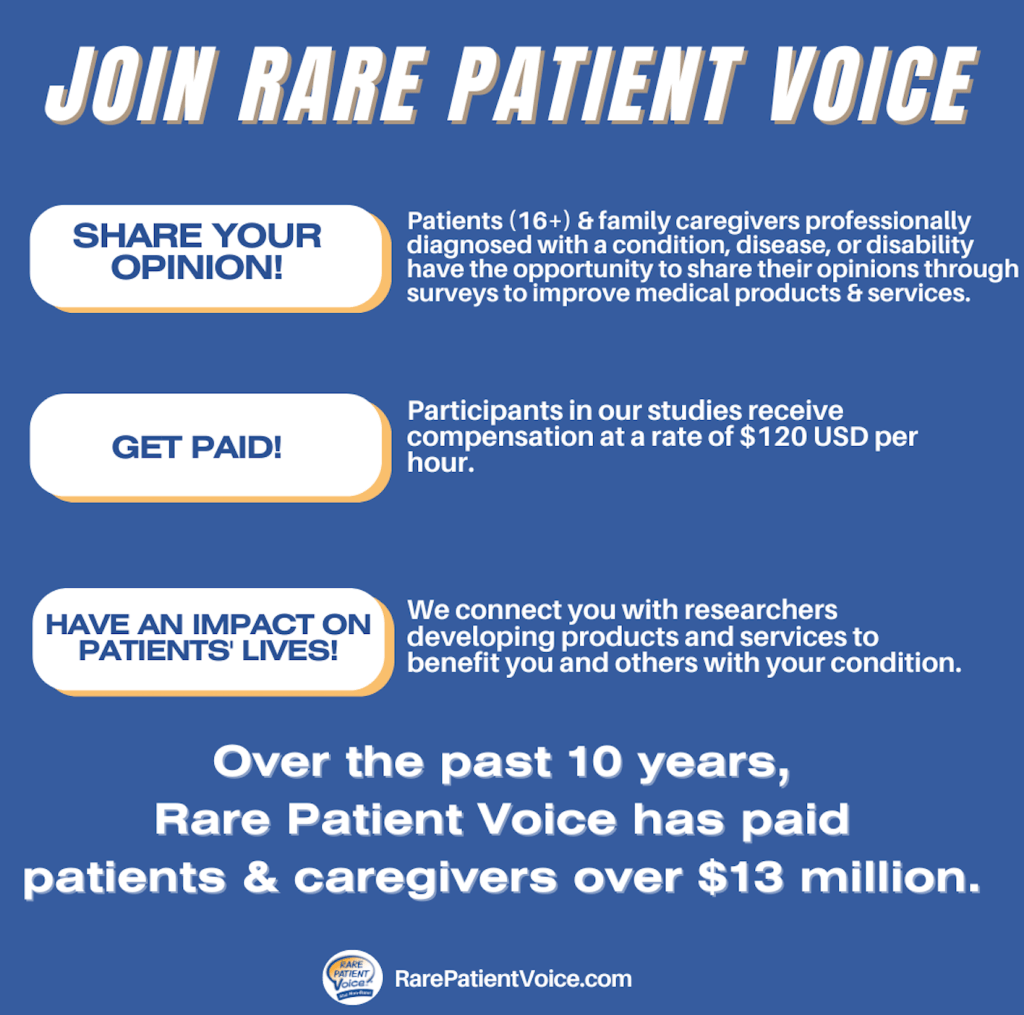
“Rare Patient Voice: Empowering Patients and Caregivers to Make Their Voices Heard”


Image Provided By RPV Representative

Please note that some of the links on this website are affiliate links. This means that I may earn a commission if you click on these links and make a purchase or take certain actions.


About Rare Patient Voice,
The Rare Patient Voice platform is an innovative and valuable platform that serves both patients and caregivers in the healthcare industry. It provides a unique opportunity for individuals to share their experiences and insights while also offering rewards for participating in various focus groups. In this in-depth review, we will explore the key features and benefits of the Rare Patient Voice platform and discuss how it benefits patients, caregivers, and the healthcare community as a whole.

Platform Overview:
The Rare Patient Voice platform serves as a bridge connecting patients, caregivers, and healthcare professionals. It provides a secure and user-friendly online space where individuals can share their perspectives, challenges, and needs related to rare diseases and medical conditions.

Patient-Centric Approach:
One of the standout features of the Rare Patient Voice platform is its patient-centric approach. It recognizes the importance of patient voices in shaping healthcare decisions and actively seeks input from patients and caregivers. By giving them a platform to share their experiences, the platform empowers patients and helps them become active participants in their own healthcare journey.

Benefits for Patients and Caregivers:
Patients and caregivers who join the Rare Patient Voice community gain access to a range of benefits. First and foremost, they have the opportunity to contribute to research and development efforts by sharing their unique insights and experiences. This helps pharmaceutical companies, research organizations, and healthcare professionals gain a deeper understanding of rare diseases and develop more effective treatments and therapies.

Additionally, participants in the Rare Patient Voice platform have the chance to connect with others facing similar challenges. This sense of community and support can be invaluable for individuals dealing with rare diseases, as it provides a network of understanding and empathy.

Rewards for Participation:
One of the notable aspects of the Rare Patient Voice platform is its reward system. Participants can earn rewards for their time and contributions to focus groups and surveys. These rewards can be in the form of gift cards, cash, or donations to patient advocacy organizations. This incentive not only acknowledges the value of participants’ time and input but also encourages continued engagement and active participation.

Focus Groups:
The Rare Patient Voice platform facilitates various focus groups, where participants can engage in in-depth discussions on specific healthcare topics. These focus groups provide a platform for patients and caregivers to voice their opinions, share their experiences, and provide feedback on treatments, clinical trials, and healthcare initiatives. By participating in these focus groups, individuals can directly influence the development of new treatments and policies.

Privacy and Security:
Privacy and security are of utmost importance on the Rare Patient Voice platform. The platform ensures that participants’ personal information is protected and only shared with their consent. The data collected is anonymized and aggregated to maintain confidentiality. This commitment to privacy and security creates a safe environment for participants to share their experiences openly and honestly.

Conclusion:
The Rare Patient Voice platform is a valuable resource for patients, caregivers, and the healthcare community as a whole. By providing a platform for patients to share their experiences, insights, and challenges, it empowers individuals to become active participants in their healthcare journey. The opportunity to contribute to research, engage in focus groups, and earn rewards for participation further enhances the platform’s appeal. Overall, the Rare Patient Voice platform is a commendable initiative that brings patients and caregivers together, amplifies their voices, and drives positive change in the rare disease community.

Have you or a love one ever participated in any of the Rare Patient Voices studies? Let us know below or just give any feedback. I’ll be patiently awaiting your comments.


To join this vibrant community click button below


Image that says, join rare, patient voice 

Latest Blog Post

The Debt Helper Program: A Comprehensive Solution to Overcoming Debt

Debt can be a significant burden on individuals and families, affecting their financial well-being and overall quality of life. Fortunately, there are various debt relief programs available to help individuals manage and overcome their debt. One such program is the Debt Helper Program, which offers a comprehensive and structured approach to debt management. In this blog post, we will explore the key features and benefits of the Debt Helper Program, as well as how it can assist individuals in achieving financial freedom.

1. Understanding the Debt Helper Program:

The Debt Helper Program is designed to provide individuals with the necessary tools and resources to effectively manage their debt. It offers a holistic approach that includes financial counseling, budgeting assistance, and debt consolidation options. The program aims to empower individuals to take control of their finances and develop long-term strategies for debt repayment.

2. Financial Counseling:

One of the core components of the Debt Helper Program is financial counseling. Participants in the program have access to certified financial counselors who provide personalized guidance and support. These counselors assess the individual’s financial situation, identify areas for improvement, and offer tailored advice on budgeting, expense management, and debt repayment strategies. Through regular counseling sessions, individuals can gain a deeper understanding of their financial habits and develop effective strategies to address their debt.

3. Budgeting Assistance:

A crucial aspect of the Debt Helper Program is budgeting assistance. Many individuals struggling with debt often find it challenging to manage their finances effectively. The program helps participants create realistic budgets, taking into account their income, expenses, and debt obligations. By establishing a structured budget, individuals can allocate their resources wisely, prioritize debt payments, and make necessary adjustments to their spending habits. The program offers tools and resources to track expenses, set financial goals, and monitor progress toward debt reduction.

4. Debt Consolidation Options:

The Debt Helper Program also provides individuals with debt consolidation options. Consolidation involves combining multiple debts into a single loan with a lower interest rate. and even possibly 0% interest by consolidating their debts, individuals can simplify their repayment process, reduce the overall interest paid, and potentially lower their monthly payments. The program helps individuals explore consolidation options and guides them through the process, ensuring they make informed decisions that align with their financial goals.

5. Financial Education:

In addition to counseling and debt management strategies, the Debt Helper Program emphasizes financial education. Participants have access to educational resources, workshops, and seminars that aim to improve their financial literacy. By acquiring knowledge about personal finance, individuals can make more informed decisions, avoid future debt pitfalls, and develop healthy financial habits for long-term stability.

6. Benefits of the Debt Helper Program:

The Debt Helper Program offers several significant benefits for individuals struggling with debt. These include:

a. Personalized Guidance: Participants receive personalized guidance from certified financial counselors who understand their unique financial challenges and provide tailored solutions.

b. Debt Reduction Strategies: The program helps individuals develop effective debt reduction strategies, enabling them to pay off their debts faster and more efficiently.

c. Simplified Debt Management: By consolidating debts and implementing structured budgets, participants can simplify their debt management process, reducing stress and confusion.

d. Lower Interest Rates: Through debt consolidation, individuals may secure lower interest rates, potentially saving them money in the long run.

e. Improved Financial Literacy: The program’s emphasis on financial education equips individuals with valuable knowledge and skills to make sound financial decisions in the future.

Conclusion:

The Debt Helper Program offers a comprehensive and structured approach to debt management, providing individuals with the necessary tools and resources to overcome their debt. By combining financial counseling, budgeting assistance, and debt consolidation options, the program empowers individuals to take control of their finances and achieve long-term financial stability. If you find yourself struggling with debt, exploring the Debt Helper Program could be a crucial step toward regaining control of your financial future. Remember, with the right support and guidance, it is possible to overcome debt and achieve financial freedom.

If interested in learning more about the Debt Helpers program, then clickHERE!!!

If you know of any other great debt programs please feel free to comment below.


Latest Posts

Accessing Free or Low-Cost medications

In today’s world, where healthcare costs are soaring, many people find it challenging to afford essential medications. However, several programs and resources exist to help individuals access free or low-cost medications. In this blog post, we will explore various avenues through which people can receive the medications they need without breaking the bank.

1. Patient Assistance Programs (PAPs):

Patient Assistance Programs, commonly offered by pharmaceutical companies, provide free or discounted medications to individuals who meet specific eligibility criteria. These programs vary in terms of requirements and available medications. To access PAPs, it is crucial to research each program individually, as requirements may differ. Some well-known PAPs include Pfizer RxPathways, Merck Cares, and Novartis Patient Assistance Foundation.

2. State and Federal Assistance Programs:

Government-funded programs, such as Medicaid and Medicare, offer prescription drug coverage to eligible individuals. Medicaid is aimed at low-income individuals and families, while Medicare provides coverage for senior citizens and certain disabled individuals. By enrolling in these programs, eligible individuals can access medications at reduced or no cost. It is essential to check eligibility criteria and application processes for each program, as they may vary by state.

3. Nonprofit Organizations:

Numerous nonprofit organizations work tirelessly to bridge the gap between individuals and affordable medications. Organizations like NeedyMeds, Partnership for Prescription Assistance, and Rx Outreach offer assistance in finding free or low-cost medications. Their websites often contain databases that provide information about available resources and application processes. These organizations can also help individuals navigate the complexities of the healthcare system.

4. Prescription Discount Cards:

Prescription discount cards are widely available and can help individuals save money on their medications. These cards are typically free and can be used at participating pharmacies to obtain discounted prices. Websites such as GoodRx and SingleCare offer comparison tools to find the best prices available for specific medications. It is important to note that discount cards do not provide medications for free but can significantly reduce costs.

5. Community Health Clinics:

Community health clinics often provide medical services, including access to free or low-cost medications. These clinics are designed to serve individuals with limited resources and can be a valuable resource for those in need. By visiting a community health clinic, individuals can receive medical assistance, including prescribed medications, at reduced costs or even for free.

Accessing free or low-cost medications is essential for individuals who struggle to afford their healthcare needs. By exploring various avenues such as patient assistance programs, government assistance programs, nonprofit organizations, prescription discount cards, and community health clinics, individuals can find the support they need. It is crucial to research and reach out to these resources to determine eligibility and application processes. Remember, no one should have to choose between their health and financial stability, and these programs and resources are there to lend a helping hand.

Title: Getting Assistance for Help with Utilities: A Guide to Navigate Financial Challenges

In today’s fast-paced world, ensuring that our basic necessities, such as utilities, are met can sometimes become a financial challenge. Whether it’s electricity, water, gas, or heating, the cost of utilities can significantly impact our monthly budgets. However, there are various programs and resources available that can provide assistance to those in need. In this blog post, we will explore different avenues for obtaining help with utilities, empowering individuals and families to overcome financial difficulties, and maintain a comfortable living environment.

1. Government Assistance Programs:

The government offers several programs aimed at providing utility assistance to low-income individuals and families. These programs include:

a. Low-Income Home Energy Assistance Program (LIHEAP):

LIHEAP is a federally-funded program that helps qualifying households with their energy bills. It provides financial assistance to offset the cost of heating and cooling, as well as weatherization services to improve energy efficiency within homes.

b. Temporary Assistance for Needy Families (TANF):

TANF provides financial assistance to families in need, including help with utility bills. Eligibility requirements vary by state, but TANF programs can offer valuable support during difficult times.

c. Supplemental Security Income (SSI):

SSI is a federal assistance program that provides financial support to disabled individuals. Recipients may be eligible for additional benefits, including utility assistance.

2. Non-Profit Organizations:

Numerous non-profit organizations are dedicated to assisting individuals and families in need of utility help. These organizations often collaborate with local communities and government agencies to provide financial aid, education, and resources. Some well-known non-profit organizations include:

a. The Salvation Army:

The Salvation Army offers various programs that provide emergency utility assistance, depending on the availability of funds and the specific needs of the individual or family.

b. United Way:

United Way partners with local non-profit agencies to offer utility assistance programs, focusing on helping individuals and families facing temporary financial hardships.

3. Utility Company Programs:

Many utility companies have established programs to support customers facing financial difficulties. These programs often include:

a. Budget Billing:

Budget billing allows customers to spread out their utility costs evenly throughout the year, making it easier to manage expenses.

b. Payment Assistance Programs:

Utility companies may offer payment assistance programs that provide financial aid to eligible customers, including deferred payment plans and emergency funds.

4. Community Action Agencies:

Community Action Agencies (CAAs) are non-profit organizations that operate at the local level, providing a range of services to low-income individuals and families. These agencies offer utility assistance programs, energy conservation advice, and weatherization services to help reduce energy costs in the long term.

When facing financial challenges with utilities, it’s important to remember that there are resources available to help. Government programs, non-profit organizations, utility company programs, and local Community Action Agencies all offer various forms of assistance. By exploring these avenues, individuals and families can find the support they need to ensure their utilities are met, even during difficult times. Remember, reaching out for assistance is a proactive step towards financial stability and a comfortable living environment.