When debt becomes overwhelming, it can feel like you will never catch up. But struggling with debt does not mean your financial life is over. Depending on your income, bills, and ability to make payments, a debt management plan or bankruptcy could help you regain control and move forward.
What Is a Debt Management Plan?
A debt management plan, also called a DMP, is a structured repayment program offered through a nonprofit credit-counseling agency. It is not a new loan.
You make one monthly payment to the agency, and the agency distributes the money to the creditors enrolled in your plan. Participating creditors may agree to lower your interest rates, waive certain fees, and provide a more affordable payment. You still repay the debt, but under more manageable terms.
Debt management plans commonly accept unsecured debts such as:
- Credit cards
- Store credit cards
- Unsecured personal loans
- Medical bills, depending on the creditor
- Collection accounts, depending on the creditor
- Some payday loans
Mortgages, car loans, secured loans, most tax debts, and most federal student loans generally cannot be placed into a standard debt management plan. Each creditor must also agree to participate.
A Debt Management Plan Is Not a Consolidation Loan
A debt consolidation loan involves borrowing new money to pay off several existing debts. You are replacing multiple debts with one new loan and must qualify based on the lender’s requirements.
A debt management plan does not require you to borrow more money. A nonprofit agency works with your existing creditors and sends them your monthly payments. Most credit-card accounts enrolled in the plan will be closed, but the goal is to repay what you owe with reduced interest or fees.
What About Debt Settlement?
Debt settlement is different from both options. A settlement company may ask you to stop paying your creditors while you save money for a possible settlement. This can lead to late fees, collection calls, credit damage, lawsuits, and no guarantee that every creditor will accept an offer.
The Consumer Financial Protection Bureau warns that debt-settlement companies can charge expensive fees and may be unable to settle all your debts. Always investigate a company carefully before giving it money.
When Bankruptcy May Be the Better Option
If you do not have enough money to make a realistic monthly payment, your debt keeps growing, or you are constantly borrowing just to survive, bankruptcy may provide the fresh start you need.
Bankruptcy is a legal financial tool created to help people who cannot repay their debts. Certain debts may be discharged, meaning you are no longer legally required to pay them. Bankruptcy does not mean your life is over. People can rebuild their credit, finance vehicles, purchase homes, and create healthier financial lives after filing.
Chapter 7 may eliminate qualifying debts, while Chapter 13 creates a court-approved repayment plan. The right option depends on your income, property, household, and type of debt. A bankruptcy attorney can review your situation and explain which protections may be available.
Reputable Places to Get Debt-Management Help
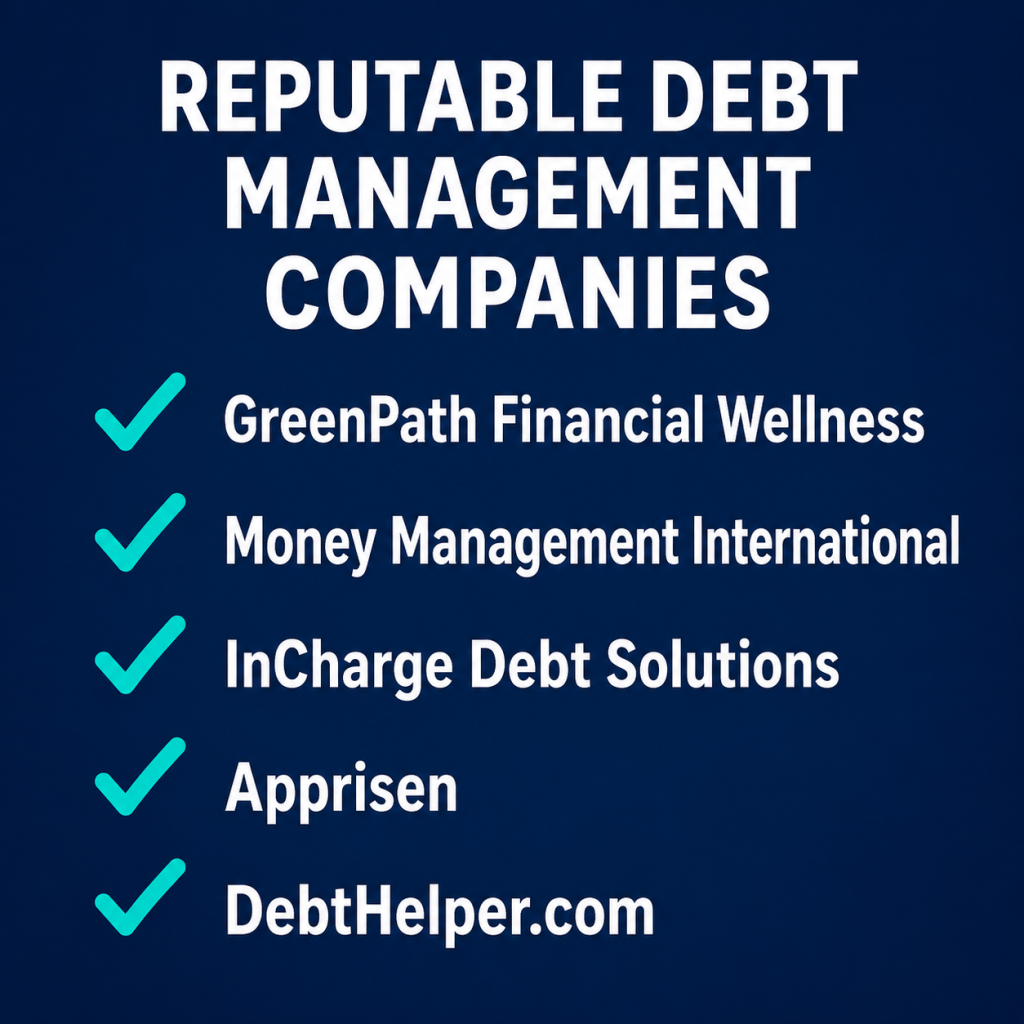
Look for a nonprofit credit-counseling agency that belongs to the National Foundation for Credit Counseling or the Financial Counseling Association of America.
Examples of established nonprofit agencies include:
Before enrolling, ask about setup fees, monthly fees, which creditors will participate, the proposed interest rates, how long the plan will last, and whether you can afford the payment without borrowing again.
Debt management helps people who can still repay their debts under better terms. Bankruptcy helps people who need a stronger financial reset. Neither choice makes you a failure. The goal is to choose the option that gives you a realistic path forward instead of spending years trapped in debt.
Want to learn how to manage your debt on your own? Download my e-book by clicking the image above.
Sources: Consumer Financial Protection Bureau, National Foundation for Credit Counseling, and U.S. Courts Bankruptcy Basics.
Check out The Hub
- Drowning in Debt? You Have More Than One Way Out
- Get Paid to Train AI From Home: Real Jobs, Honest Pay and Scam Warnings
- Your Mortgage Company Could Owe You an Escrow Refund
- A New Federal Process May Help Certain People Restore Their Firearm Rights—Here Are the Facts
- How to Reduce Your Personal Information Online: A Practical Privacy Guide

 The Resource Plug